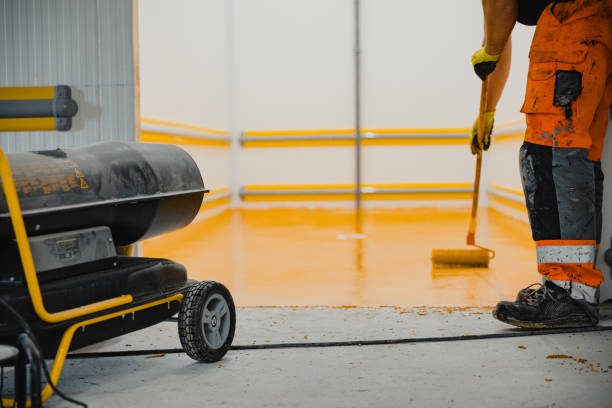
Epoxy and polyurea coatings undoubtedly dominate the flooring of American home garages . However, these coating systems all have one common prerequisite: you need a near-perfect concrete base that must be professionally prepared and cured over a considerable period of time.
For homeowners whose concrete is in poor condition, who need a quick solution, are on a tight budget, or who are wary of failed DIY coatings , non-coating alternatives are becoming increasingly popular.
This article takes a closer look at two practical alternatives that are powerful, easy to install, and effective at hiding concrete imperfections: interlocking tiles and heavy-duty vinyl roll-out mats . We’ll compare their durability, installation difficulty, cost, and aesthetics to help you find the flooring solution that best suits your needs.
1. Option 1: Modular Garage Floor Tiles – Flexible Designer
Imagine covering your garage floor with giant, durable Lego bricks—that’s how modular floor tiles work.
Materials Science: Polypropylene (PP) and PVC Floor Tiles
Modular floor tiles are mainly divided into two materials, which have different functional properties:
Polypropylene (PP) floor tiles:
Features: Lightweight, strong, and highly impact-resistant , it’s the material of choice for most garages. It often features an open grille design that allows moisture and debris to drain from underneath, making it ideal for areas with high humidity or significant snowmelt.
Advantages: Excellent resistance to chemicals, oils and gasoline .
PVC (polyvinyl chloride) floor tiles:
Features: Softer and more flexible , with better noise and shock absorption. Usually solid design, which can prevent liquid penetration to the greatest extent.
Advantages: Excellent wear resistance and comfortable feel underfoot, suitable as a workbench area or tool drop zone.
Installation and design freedom: as easy as Lego
Easy DIY: The biggest selling point of floor tiles is that they require no adhesive and no curing time , allowing for quick DIY installation . Simply snap them together like a puzzle and tap the edges firmly with a rubber mallet.
Unlimited Customization: The modular design allows users to mix different colors, textures, and materials to create custom designs (such as racing checks, zoned stripes, or complex patterns), providing ultimate design flexibility and the ability to replace damaged individual tiles at any time.
Potential Disadvantages of Floor Tiles
Grout issues: Debris, sand, and dust from beneath open-grid tiles still need to be cleaned regularly.
Cost: High-quality modular floor tiles, especially PVC tiles, typically have a higher initial cost per area than epoxy coatings.
2. Option 2: Heavy Duty Vinyl Garage Floor Mat – A Fast Barrier Protector
If you’re looking for instant protection and zero preparation, floor mats are your best bet.
Materials and functions: Vinyl seamless barrier
Material Features: Mats are typically made of one or more layers of heavy-duty commercial-grade vinyl and are sold in large rolls or pre-cut sheets. They are designed to cover most of the garage floor.
Key advantages:
Impermeable barrier: The mat is a perfect waterproof and moisture-proof barrier that can completely isolate liquids such as water, de-icing salt, oil, etc. on the concrete, protecting it from corrosion.
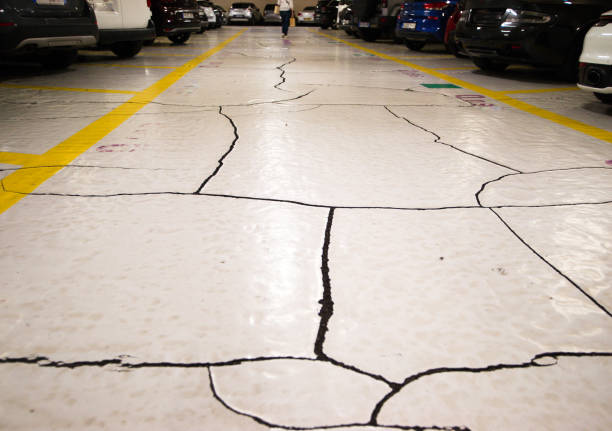
Hides imperfections: The thickness and flexibility of the mat allow it to perfectly cover cracks, stains or slightly damaged concrete surfaces without any preparation work .
Installation and maintenance comparison
Installation: Installs quickly. Simply unroll the roll, let gravity level it, and cut the edges to fit the wall with a utility knife.
Maintenance: Maintenance is simple. Its seamless nature means dirt and liquids remain on the surface and can be easily cleaned with just a wiper or mop.
shortcoming:
Aesthetics: The design and color selection are relatively simple, usually only basic textures (such as diamond pattern and coin pattern).
Mobility: Edges and corners may curl or shift over time if not secured with specialized tape or sealant.
3. How to choose: According to your needs and concrete conditions
The key to making this choice is to properly assess your circumstances and priorities:
| Scenario | Recommended choice | reason |
| Concrete with moisture problems | Modular PP floor tiles | The open grid allows the concrete to “breathe,” preventing the coating from being lifted by steam. |
| Pursue customized design, color mixing | Modular floor tiles | Endless customization potential, easy to repair and reconfigure. |
| Requires extreme protection and zero preparation | Vinyl floor mats | Instant protection, no grinding, no curing required. |
| There are serious defects on the concrete surface | Vinyl floor mats | The thickness of the mat is perfect for hiding cracks and stains. |
| Need maximum waterproof protection | Solid PVC floor tiles or vinyl mats | Creates a strong impermeable barrier to prevent the penetration of chemicals. |
In conclusion:
While durable, floor coatings are by no means the only option. Modular floor tiles offer exceptional customization, design flexibility, and repairability , while heavy-duty vinyl mats provide quick, seamless barrier protection .
Before deciding on your garage flooring solution, evaluate your concrete condition, moisture issues, and design needs . If you’re looking for a DIY-friendly, flexible solution that hides imperfections, tile or matting may be a better option than expensive, demanding professional coatings.
Do you value a custom floor design (tiles) or instant, seamless waterproofing (mats)? Share your priorities in the comments!
